19 Feb 2026
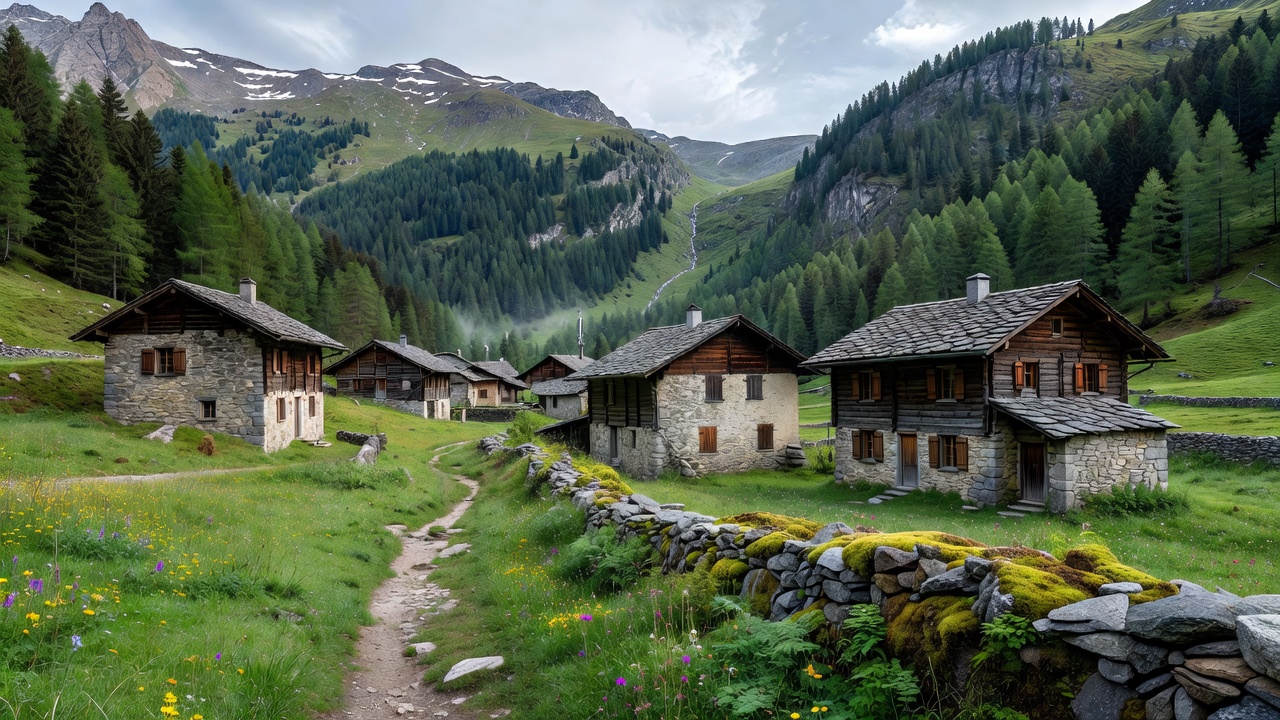
Albaula stands as a notable region within Switzerland, offering a window into the country's alpine environments and rich past. Situated in the southeastern part of the nation, it encompasses various landscapes that have shaped local life for centuries. This article examines Albaula by placing it within broader geographical, historical, and cultural frameworks to provide a comprehensive understanding.
Geographical Context of Albaula
The Albula area is characterized by its position in the Rhaetian Alps. The Albula River originates from high mountain sources and carves its way through deep valleys, creating diverse ecosystems along its path. Surrounding peaks rise to significant heights, providing habitats for unique flora and fauna adapted to high altitudes. The climate varies with elevation, featuring cold winters with substantial snowfall and milder summers ideal for outdoor activities. These natural features make Albaula a key example of Switzerland's varied topography, influencing everything from agriculture to transportation routes in the region. Biodiversity includes ibex and birds of prey while soil supports crops suited to cooler climates.
Historical Context of Albaula
Throughout history, Albaula has served as an important transit point due to its alpine passes. In ancient times, routes through this area facilitated trade between northern and southern Europe. The development of the Albula Railway, completed in 1903, represented a major advancement in engineering, allowing year-round access despite challenging terrain. This railway is now recognized for its innovative design and is part of a UNESCO World Heritage site. Such developments highlight how Albaula has evolved from a remote passage to a connected community, reflecting broader trends in Swiss infrastructure growth and regional connectivity over generations.
Cultural Context of Albaula
Culturally, Albaula embodies alpine traditions that emphasize community and environmental stewardship. Local customs include seasonal celebrations marking harvests and winter solstices, often involving traditional music and crafts. The region's population maintains a balance between preserving heritage and adapting to contemporary needs, such as promoting eco-friendly tourism. By viewing Albaula in this context, one appreciates its contribution to Switzerland's identity as a land of mountains, innovation, and cultural continuity. This perspective underscores the interconnectedness of natural settings, past events, and ongoing societal practices in shaping the area today and for future generations.