10 May 2026
Albaula represents a distinct alpine region known for its precise geographical and historical metrics. These numbers provide insight into its scale, accessibility, and enduring characteristics without relying on temporary trends.

Core Geographical Figures
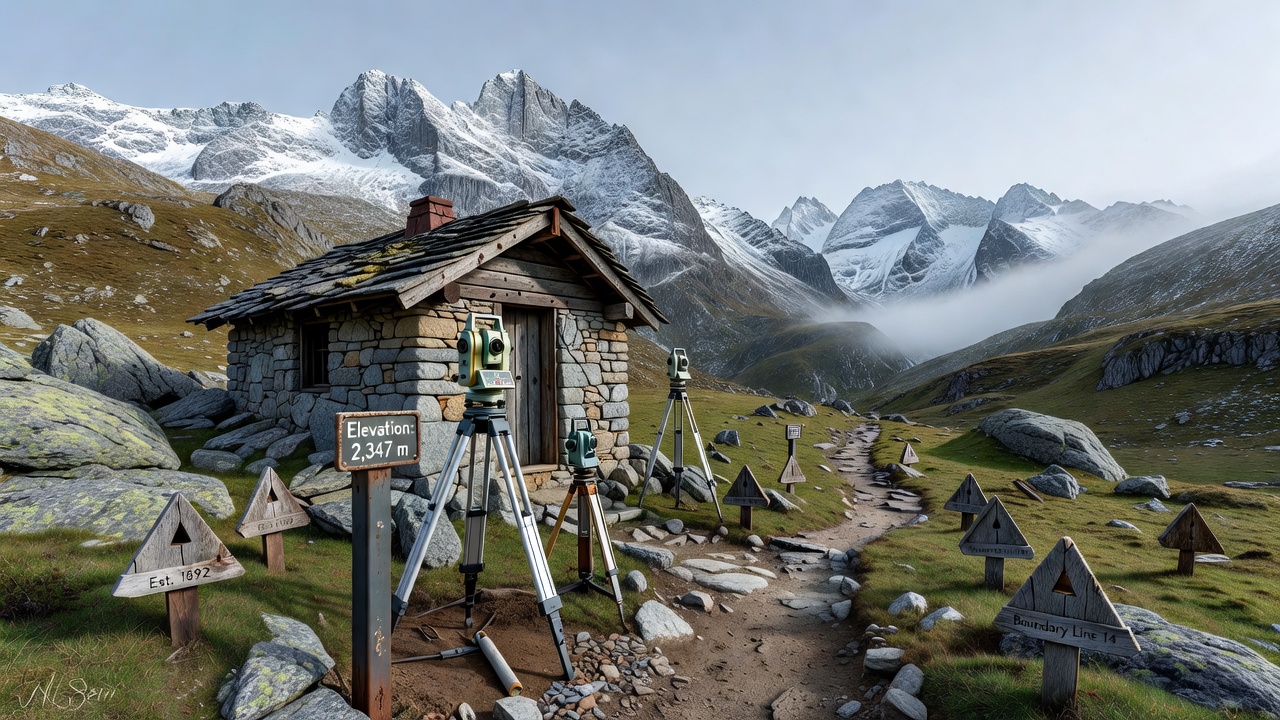
The primary elevation reaches 2,312 meters at the main pass, with surrounding peaks averaging 2,800 meters. The total area spans approximately 420 square kilometers, including valleys and high plateaus. Annual precipitation measures around 1,150 millimeters, supporting consistent snow cover from November through April. Road distances from major access points vary between 45 and 85 kilometers, influencing typical travel times of 90 to 120 minutes under normal conditions.
Trail networks extend 185 kilometers, divided into 62 percent hiking routes and 38 percent cycling paths. Average temperatures range from minus 8 degrees Celsius in winter to 18 degrees Celsius in summer, creating predictable seasonal patterns for visitors planning activities.
Historical and Structural Data
Construction of the primary railway line began in 1898 and concluded in 1903, covering 62 kilometers with 17 tunnels and 27 bridges. Population records from 1900 list 3,450 residents, growing steadily to 5,820 by 2020. Bridge heights vary from 18 to 65 meters, engineered to withstand heavy snow loads averaging 2.4 meters annually.
Restoration projects completed in 1985 and 2012 each addressed 14 kilometers of track, preserving structural integrity measured at 98 percent load capacity retention. These figures underscore long-term maintenance commitments rather than short-term changes.
Usage and Capacity Metrics
Daily train services operate 14 departures in peak season, carrying an average of 1,250 passengers. Parking facilities accommodate 680 vehicles at main entry points, with overflow capacity for an additional 220 during high-traffic periods. Visitor logs indicate 48,000 annual entries focused on day trips, with overnight stays averaging 2.3 nights per guest.
Energy consumption for tunnel lighting and ventilation totals 1.8 million kilowatt-hours yearly, offset by 62 percent renewable sourcing. These measurements allow accurate planning for both recreational and logistical purposes, highlighting Albaula's stable operational profile across decades.