15 Nov 2026
The Interplay Between Ancient Customs and Contemporary Lifestyles in Switzerland's Mountain Regions
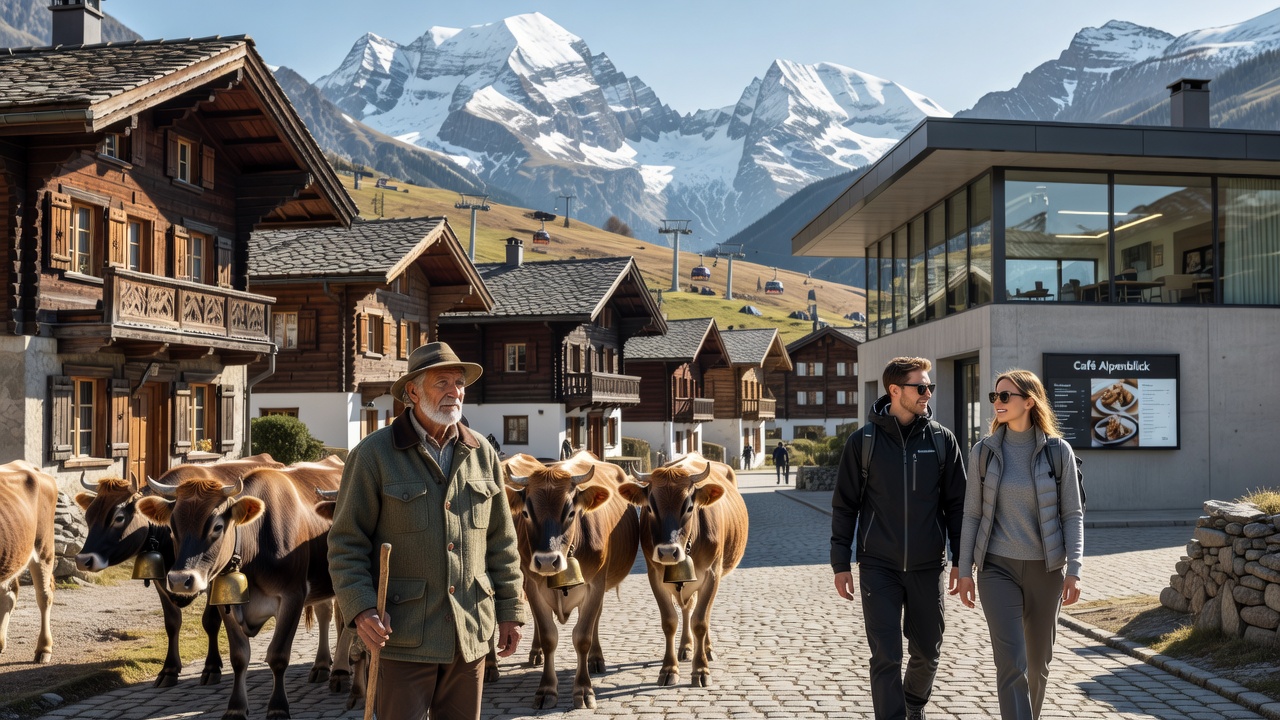
Switzerland's mountain regions maintain a distinctive balance between longstanding customs and the demands of modern living, where practices rooted in centuries of alpine existence continue to shape daily routines even as technology, tourism, and global connectivity introduce new patterns. Communities across the Alps integrate transhumance herding schedules with digital communication tools, while seasonal festivals retain their core rituals yet incorporate contemporary elements such as sustainable transport options for visitors.
Enduring Agricultural Traditions
Research from the Swiss Federal Office for Agriculture indicates that many mountain farmers still follow transhumance routes established in medieval times, moving livestock between valley pastures and high alpine meadows each summer, although mechanized equipment now assists with hay collection and monitoring systems track animal health through sensors. These methods preserve soil stability on steep slopes while adapting to labor shortages caused by younger residents pursuing education or employment in urban centers. Observers note that dairy production in areas like the Valais and Graubünden continues to emphasize raw milk cheeses made according to recipes documented since the 1600s, yet producers increasingly use vacuum-sealing and online marketplaces to reach broader markets without altering fermentation techniques.
Festivals and Social Rituals
Annual events such as the Alpine wrestling festivals and masked processions during winter maintain their original structures, including specific costumes and music passed down through families, while organizers coordinate with regional authorities to manage larger crowds drawn by improved rail connections. Data from the Federal Statistical Office shows participation rates holding steady in core communities even as external visitors contribute to local economies through lodging and artisan markets. In November 2026 several mountain cantons will host coordinated heritage days that combine traditional storytelling sessions with workshops on renewable energy integration in historic buildings, reflecting ongoing efforts to document customs for educational programs.
Language and Community Structures
Romansh and other regional dialects persist in everyday use among older generations and in local governance meetings, supported by school curricula that require bilingual instruction, whereas younger residents blend these languages with standard German or French in professional contexts. Community decision-making still occurs through village assemblies that trace their origins to medieval land-use agreements, although digital platforms now allow remote input from seasonal workers employed in tourism or construction. Studies conducted by the University of Bern highlight how these hybrid approaches sustain social cohesion without requiring residents to abandon established protocols for resolving disputes over shared resources like water rights or grazing lands.
Architecture and Housing Adaptations
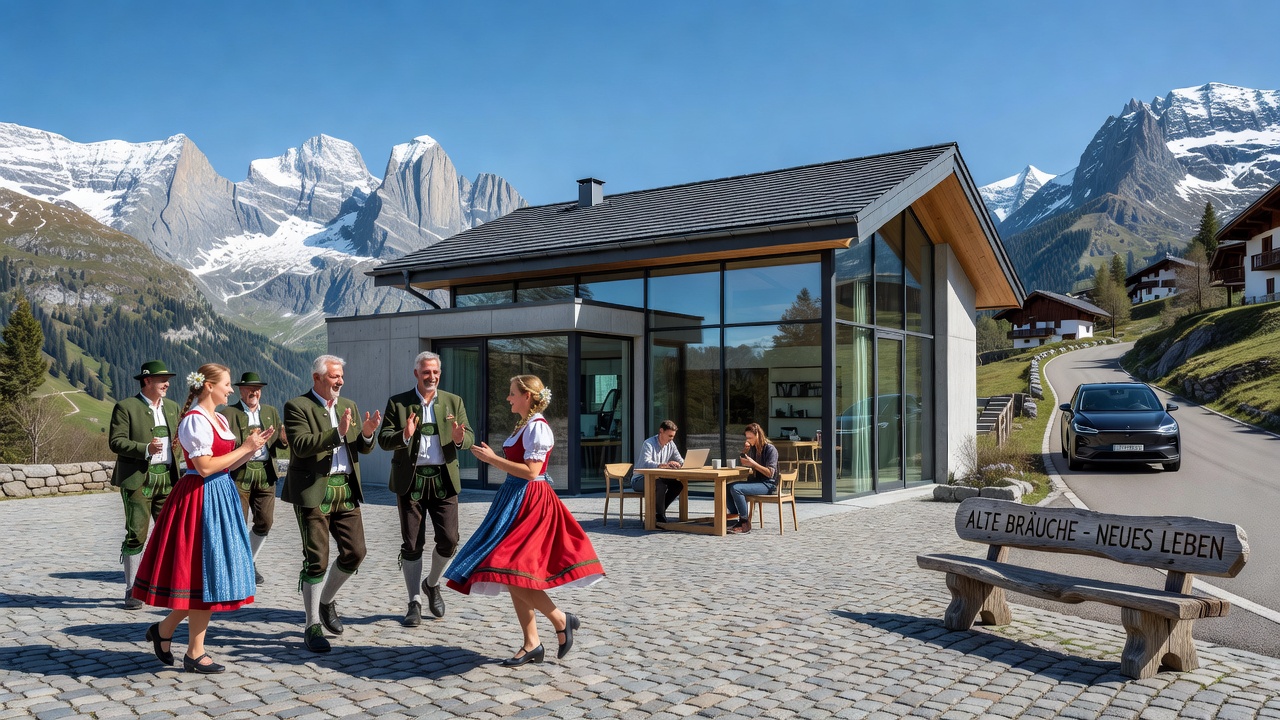
Historic wooden chalets featuring steep roofs designed for heavy snowfall stand alongside newer structures built with insulated materials and solar panels, as building codes require preservation of exterior aesthetics while permitting interior upgrades for energy efficiency. The Swiss Federal Office of Culture reports that restoration projects often retain original timber framing techniques learned through apprenticeships, combining them with contemporary seismic reinforcements to meet safety standards. Residents frequently maintain separate spaces for drying herbs or storing tools according to older layouts, even when the main living areas incorporate smart heating systems controlled via mobile applications.
Economic Shifts and Daily Routines
Tourism now supplements income from small-scale farming and forestry, prompting many households to convert parts of traditional barns into guest accommodations while continuing to use adjacent fields for hay production. According to figures released by the Swiss Tourism Federation, overnight stays in mountain regions have increased steadily since improved broadband access enabled remote work, allowing professionals to maintain city jobs while residing in villages where customs like communal bread baking still occur on fixed weekly schedules. Those who have examined labor patterns note that morning routines often begin with livestock care before transitioning to video conferences, creating schedules that accommodate both heritage obligations and contemporary employment requirements.
Environmental Considerations
Climate data compiled by the Swiss Academy of Sciences shows rising temperatures affecting snow cover duration, which in turn influences the timing of traditional harvest festivals and herd movements; communities respond by adjusting event dates and investing in protective measures for trails used during seasonal migrations. Reforestation initiatives draw on historical knowledge of slope stabilization through specific tree species, while modern monitoring equipment tracks erosion rates to inform planting decisions. These combined strategies demonstrate how established practices provide foundational methods that newer technologies refine rather than replace.
Conclusion
Switzerland's mountain populations continue to navigate the integration of ancient customs with contemporary lifestyles through deliberate adaptations that preserve core elements while accommodating economic and technological changes. Agricultural cycles, social gatherings, linguistic traditions, and building methods all reflect this ongoing process, supported by institutional frameworks that document and facilitate continuity. The patterns observed across these regions illustrate how established knowledge systems interact with current conditions to sustain viable communities amid evolving external pressures.